


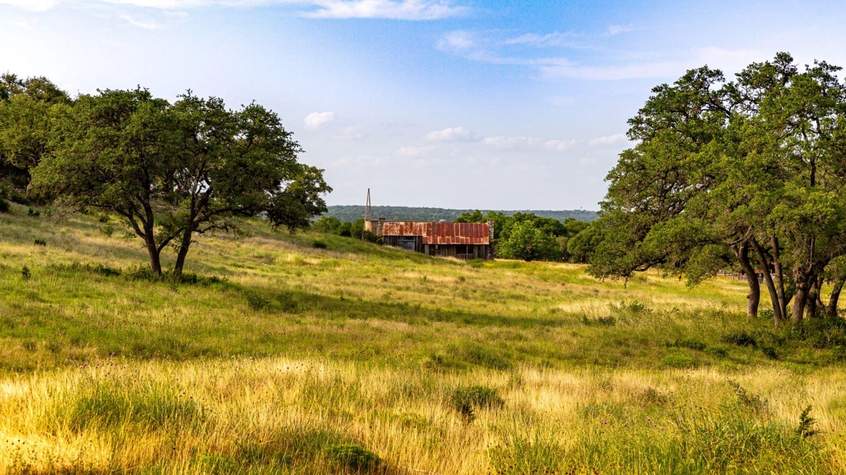
What First-Time Ranch Buyers Wish They Knew Before Purchasing Land | PART 2
Due Diligence: Essential Steps Before Closing
Professional Inspections and Surveys
Survey Requirements:
- Always get a current survey
- Identify any encroachments or boundary disputes
- Verify acreage matches listing information
- Understand any restrictions or covenants
Environmental Assessments:
- Phase 1 environmental assessment for commercial use
- Wetlands delineation if applicable
- Endangered species habitat surveys
- Previous land use investigation
Title and Legal Review
Title Insurance:
- Essential for large land purchases
- Protects against unknown liens or ownership issues
- May reveal historical restrictions or easements
Legal Review:
- Have an attorney experienced in rural land transactions review all documents
- Understand any deed restrictions or covenants
- Review mineral rights documentation carefully
Financing Rural Land: Special Considerations
Loan Options and Requirements
Conventional Financing Challenges:
- Many lenders don't finance raw land
- Higher down payment requirements (25-50%)
- Shorter loan terms than residential mortgages
- Higher interest rates than home loans
Specialized Lenders:
- Farm Credit Services
- Local banks with agricultural lending experience
- Owner financing options
- Land contracts and alternative arrangements
Appraisal Challenges
Rural land appraisals are complex and may not reflect true market value:
- Limited comparable sales data
- Unique features difficult to quantify
- May require specialized rural appraisers
- Process takes longer than residential appraisals
Long-Term Planning and Land Management
Developing a Master Plan
Infrastructure Phasing:
- Plan major improvements in logical phases
- Consider future access needs
- Budget for unexpected costs and delays
- Think about seasonal access and weather impacts
Conservation and Stewardship:
- Develop sustainable land management practices
- Consider long-term conservation programs
- Plan for wildlife habitat improvement
- Think about water conservation and management
Building Your Support Network
Essential Professional Relationships:
- Experienced rural real estate agent
- Attorney specializing in agricultural law
- Accountant familiar with agricultural taxation
- Local contractors and service providers
- Veterinarian and agricultural extension agent
- Equipment dealers and repair services
Common Mistakes to Avoid
Rushing the Process:
- Take time for thorough due diligence
- Visit the property in different seasons and weather conditions
- Don't skip professional inspections to save money
- Research the local community and neighbors
Underestimating Costs and Time:
- Budget 20-30% above estimates for rural improvements
- Plan for longer timelines on everything
- Consider the total cost of ownership, not just purchase price
- Factor in the learning curve for land management
Ignoring Local Knowledge:
- Connect with neighboring landowners
- Learn from local agricultural extension agents
- Understand regional weather patterns and challenges
- Respect local customs and practices
Seasonal Considerations for Ranch Buying
Timing Your Purchase
Advantages of Different Seasons:
Spring Buying:
- See the property during green-up and wildflower season
- Evaluate water sources after winter recharge
- Good time to assess soil and drainage
- Peak buying season may mean more competition
Summer Buying:
- See how the property handles heat and drought stress
- Evaluate wildlife patterns during active season
- Test water sources during peak demand
- May find motivated sellers
Fall/Winter Buying:
- Often better pricing due to reduced market activity
- See the property's winter appearance
- Evaluate access during potentially challenging weather
- Good time for major improvements before spring
Technology and Modern Ranch Management
Modern Tools for Land Management
GPS and Mapping Technology:
- Smartphone apps for property boundary identification
- Drone surveys for large-property assessment
- GPS tracking for equipment and livestock
- Digital mapping for planning and record-keeping
Communication and Monitoring:
- Trail cameras for wildlife monitoring
- Remote water tank monitoring systems
- Weather stations for local data collection
- Security systems for remote property protection
Building Relationships in Rural Communities
Community Integration
Getting Connected:
- Introduce yourself to neighboring landowners
- Join local agricultural organizations
- Participate in community events and activities
- Support local businesses and service providers
Learning from Others:
- Find experienced mentors in your area
- Join relevant associations and groups
- Attend agricultural extension programs
- Network with other landowners facing similar challenges
Final Thoughts: Making Your Ranch Dream a Reality
Purchasing your first ranch in Texas is a significant investment that goes far beyond the financial commitment. It's about becoming a steward of the land, joining a community, and often fundamentally changing your lifestyle. The key to success lies in thorough preparation, realistic expectations, and a willingness to learn continuously.
Remember that every ranch is unique, and what works on one property may not work on another. Take time to understand your specific piece of Texas, respect its history and natural systems, and plan for long-term success rather than quick fixes.
The investment in proper due diligence, professional guidance, and careful planning will pay dividends for years to come. Your dream ranch is out there – armed with this knowledge, you'll be prepared to make an informed decision that serves your goals and respects the land you're privileged to own.
Ready to start your ranch search? Contact our experienced team at Texas Land and Ranch Sales. We understand the unique challenges facing first-time ranch buyers and have the expertise to guide you through every step of the process. From initial property evaluation to closing day and beyond, we're here to help make your Texas ranch ownership dream a reality.
This comprehensive guide represents general information and should not replace professional advice. Always consult with qualified professionals including attorneys, accountants, and real estate agents who specialize in rural properties before making any land purchase decisions.
Disclaimer:
The information provided in this blog is for general informational purposes only and does not constitute legal, financial, or tax advice. Please consult with appropriate licensed professionals before making any real estate decisions.
Matt Johnson | May 15, 2026